Showing posts with label Devilman. Show all posts

Dec 31, 2018

My Anime Picks for 2018


This is the second half of a two part blog series. If you missed the first half on my favorite video games of 2018, then you can read it here, otherwise please enjoy checking out some of the anime I liked the most in 2018. And for those who need a refresher, or just aren't interested in my gaming list, please remember that I do not think myself in any way shape or form an expert, and this is just a personal list I made up for my own amusement. Other than that just like the year before I am avoiding listing sequel seasons and won’t be talking about a long running anime unless it started this year in 2018--so even if I thought a show from a prior year--such as Black Clover--had a great run in 2018, I won’t be acknowledging that here. This list would just be too much of a mess if I did! Everything is presented in alphabetical order to so as to avoid ranking my chooses.

Devilman Crybaby


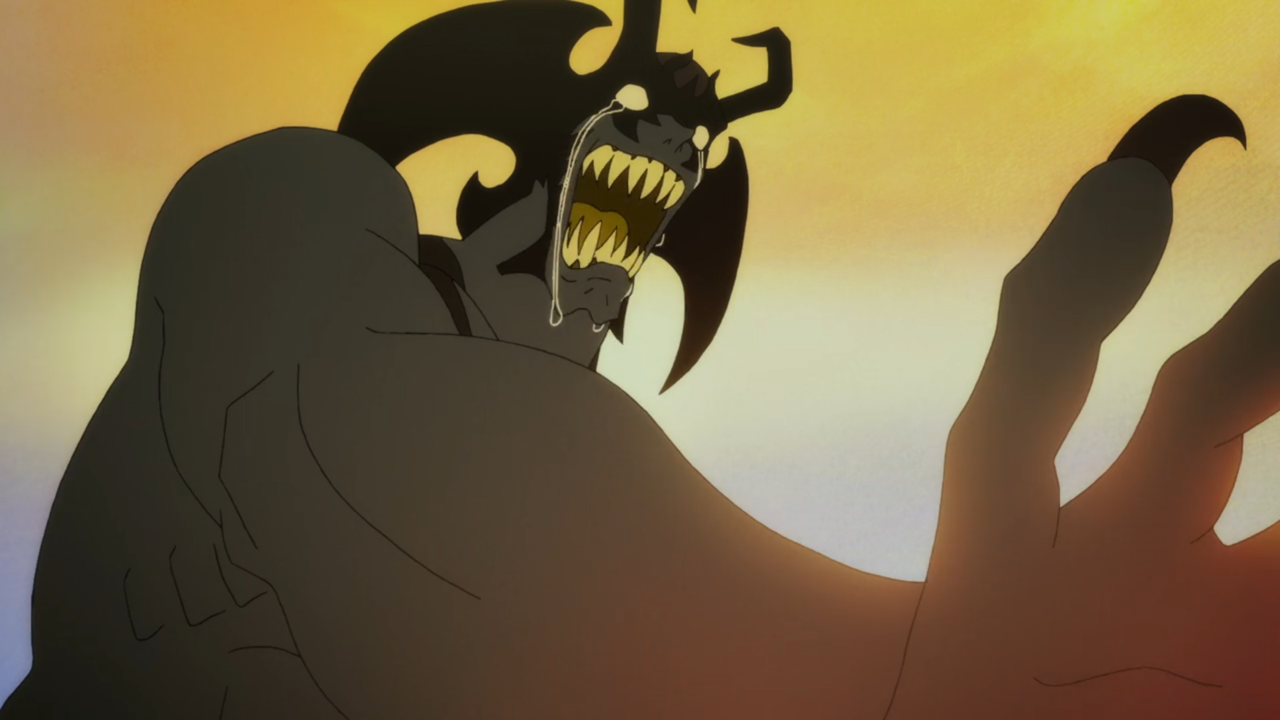
Devilman Crybaby began 2018 off with a huge bang, and was able to maintain its number one spot in my heart the entire year, an impressive feat considering its January premiere and just how good Megalo box, Planet With, and GeGeGe no Kitaro turned out. I wrote so much about Devilman already this year that I honestly can’t bring myself to sing any more praises for it by this point, but it definitely deserves all my praises and more. Crybaby was an absolutely beautiful and chilling re-imagining of a true classic, done justice by an auteur creator. If you want to read a bit extra about it, check out the piece I wrote about Devilman in my Halloween series this year.

GeGeGe no Kitaro

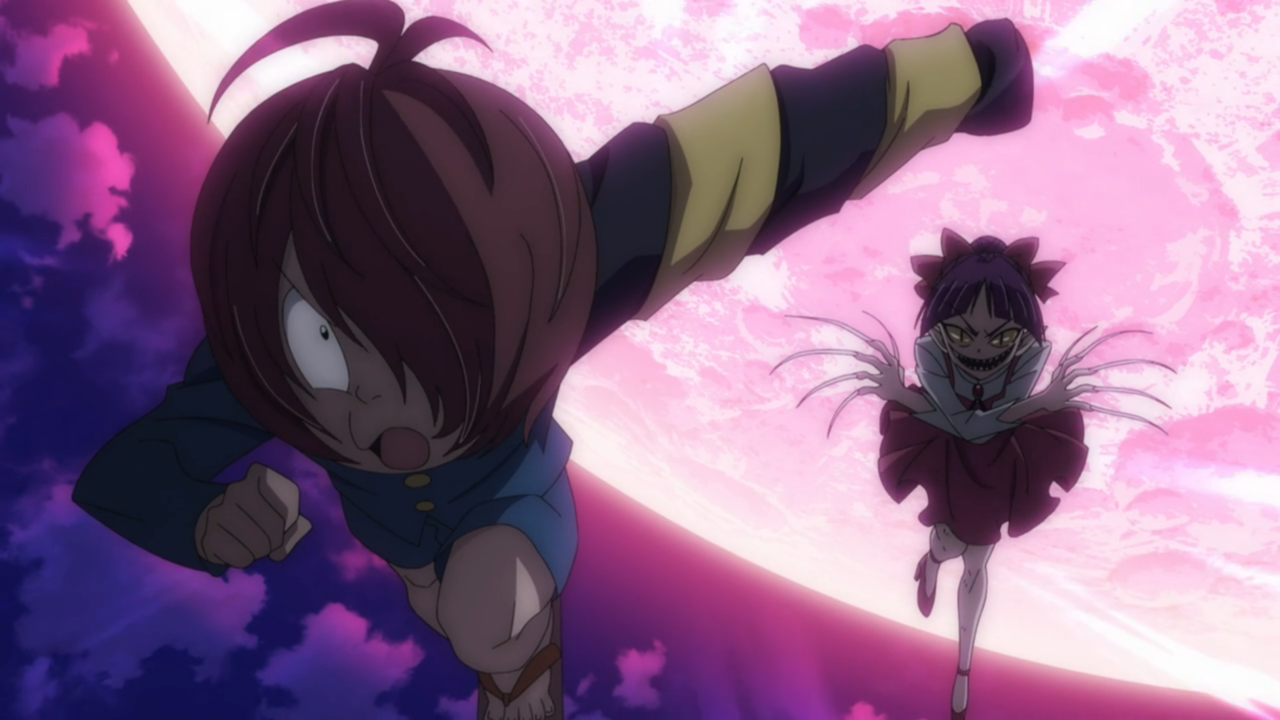
2018 marked the 50th anniversary for a lot of legendary properties and legendary creators. This was Go Nagai’s 50th anniversary as a comic artist, and the 50th anniversary of the Ashita no Joe manga, but perhaps one of the most important of the big 5-0 anniversaries this year was the 50th anniversary of the GeGeGe no Kitaro anime series. After the passing of comic legend Shigeru Mizuki in 2013 there is something all the more meaningful to see Kitaro on the small screen again--even after his creator’s passing Kitaro is still there to grow up with another generation of children. This is another anime series I talked ad nauseam about during my Halloween series this year, so I don’t want to go on too much now, but I will say this has easily been the highlight of all my Sunday mornings since it started in April, and this is the series that Mizuki and his legacy deserved. It’s doing one hell of a job kicking most “adult” anime's asses in terms of writing quality and animation, all while still being a kid show. It never talks down to its young audience either and tackles some really modern issues such as smartphone overuse, bullying, refugees that lost their own country, and even suicide.


The Girl in Twilight (Akanesasu Shoujo)
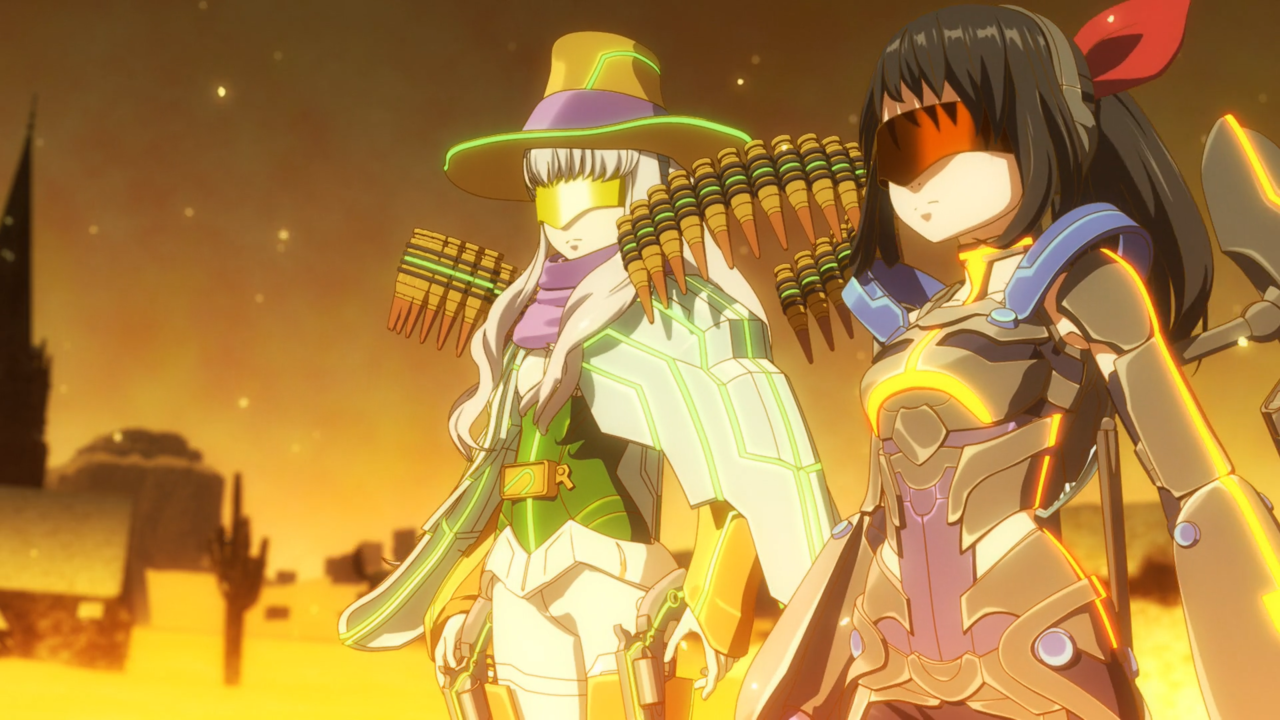
The Girl in Twilight is pretty much the last thing I expected but somehow I came around to really enjoying it. From the mind of Kotaro Uchikoshi, the creator of the Zero Escape, comes … well .. ah … a magical girl show? About traveling to different parallel worlds? Where hijinks ensue and it’s more a story about growing up? Yeah, this … is a hard one to explain, and not really what I would expect with Uchikoshi’s name attached. I mean 999: Nine Hours, Nine, Persons, Nine Doors, this is definitely not, but well, this isn't half bad. The science fiction elements about radio frequencies and different worlds definitely feels like something out of an Uchikoshi game and all the all girl cast is actually very charming and sweet. I got really invested in seeing them grow up and face their inner problems. So a weird show, and nothing too special either, but this really grew on me personally.

Gundam Build Divers


The original Gundam Build Fighters anime in 2013 was like a phenomenon that caught literally everyone off guard. This silly little kid’s show meant to sell toys was somehow one of the best anime the year it aired and was made with so much love and attention to detail that it was a better anniversary present to the Gundam franchise than some of the actual anniversary celebrations. Ever since the original fans have been pretty divisive on the sequels, and while Build Divers is still not the original, I think it’s the closest we've come out of all the past sequel seasons and OVAs in the “Build” sub-series. I really enjoyed the Virtual Reality angle of the series, and thought the creative team did a lot to give the series an identity of its own instead of feeling like a dull retread of the original Build Fighters like Try did. So wrap that together a great main cast, and some pretty fun team battles and I say this was a win for Gundam fans.

Gurazeni: Money Pitch
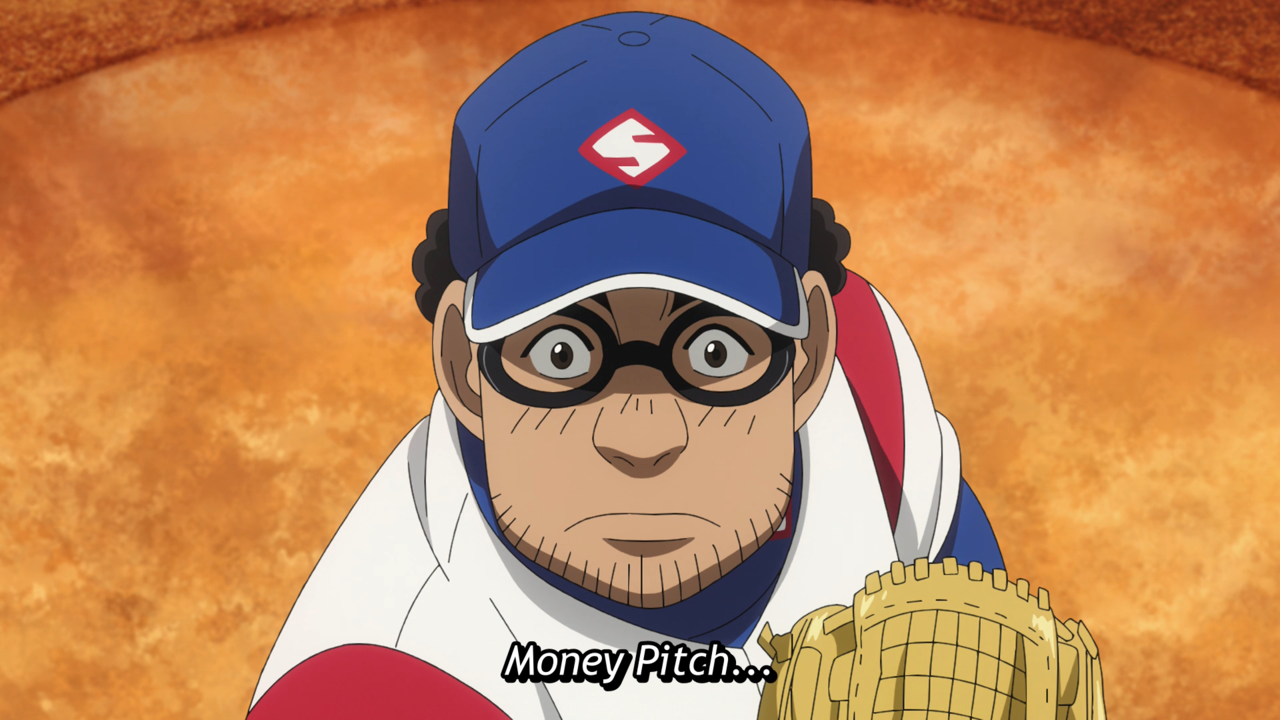

Gurazeni is an anime I think most people never gave a fair chance. What seems like a basic sports series with a weird focus on money turns out to be so much more. It’s an inside look at the professional world of Japanese baseball, where you can really learn all the ins and outs and what makes the business end tick. The most interesting part however is that this is not your usual series starring a High Schooler with some grandiose dream, but a cast of adult professionals, many of which are just struggling to get by and stay in the game. It’s a completely different kind of feeling. 

Professionals play some 100+ ball games a seasons. With that many games it’s not like they are all hot blooded screaming matches and if you lose once you’ll be out of the tournament. You gotta play smart, you got to think about your stats during the season, you gotta make sure you secure your spot on the roster for next year, if you excuse the horrible pun, this is a whole different kind of ball game. That’s what made Gurazeni so much fun every week, it’s more a calm collective observation about life in the major league for most players who aren't big celebrity stars instead of the usual shonen anime fair with some hot shot kid with a dream. I greatly enjoyed every laid-back episode of this show.

How to Keep a Mummy (Miira no Kaikata)

Cute!!! This is probably how I can define every single episode of this quirky pet comedy anime. Whoever knew mummies, dragons, and ogres could make such adorable pets. This was a basic “feel good” slice-of-life series where not much ever happened in each episode but it was such a nice reprieve from real life that the audience wouldn't mind. You didn't watch this for the plot, you watched this to just relax and smile for a half an hour, and How to Keep a Mummy accomplished this goal expertly. 
Karakuri Circus


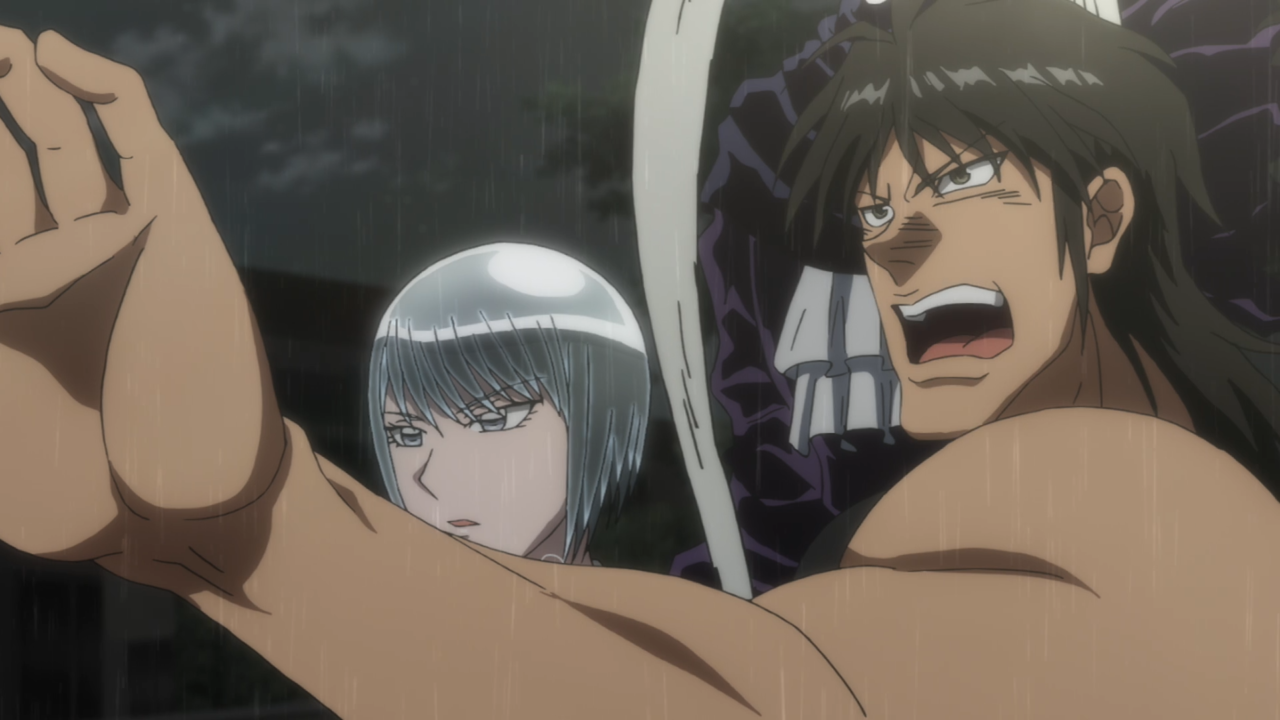
Karakuri Circus is maybe one of the most underrated anime of the year, and it’s a darn shame considering the attention Ushio & Tora was eventually able to garner. Hopefully Karakuri Circus can one day get the same kind of tight knit following that its predecessor did. And if you couldn't tell already, Karakuri Circus is based off a manga by Kazuhiro Fujita, the creator of Ushio & Tora. Both series share the same well written and fleshed out character writing that Fujita is known for, and for fans of Ushio & Tora there is also the bonus treat of one of the three main protagonists, Narumi Kato, is literally just Tora from Ushio & Tora. The two characters share very similar appearance (when Tora was a human) and have the same personality. The Karakuri Circus anime even went the extra mile by casting the same exact actor for the roles. 
Unfortunately Karakuri Circus has the unenviable job of trying to adapt a weekly manga that is 43 volumes long in just 36 episodes, which means a lot of stuff has to be skipped over, condensed, and simplified, but for those of us who are watching I think we can all agree the studio is doing a great job at picking what to animate. The pace may be very brisk, but it sort of has that OVA kind of feeling to it with how fast it moves. You know, how a movie or an OVA can seemingly get so much story told in just a couple hours versus how a TV show may tell a story over the span of multiple months. Karakuri Circus definitely feels more like the former than the latter. 

Even with its faults however, this anime really shouldn't be as passed over as it has been. Karakuri has the most heart and it’s easily the most ridiculous and fun shonen battle anime airing right now, and that’s saying a lot considering JoJo is airing right now too!

Lupin the Third - Part V


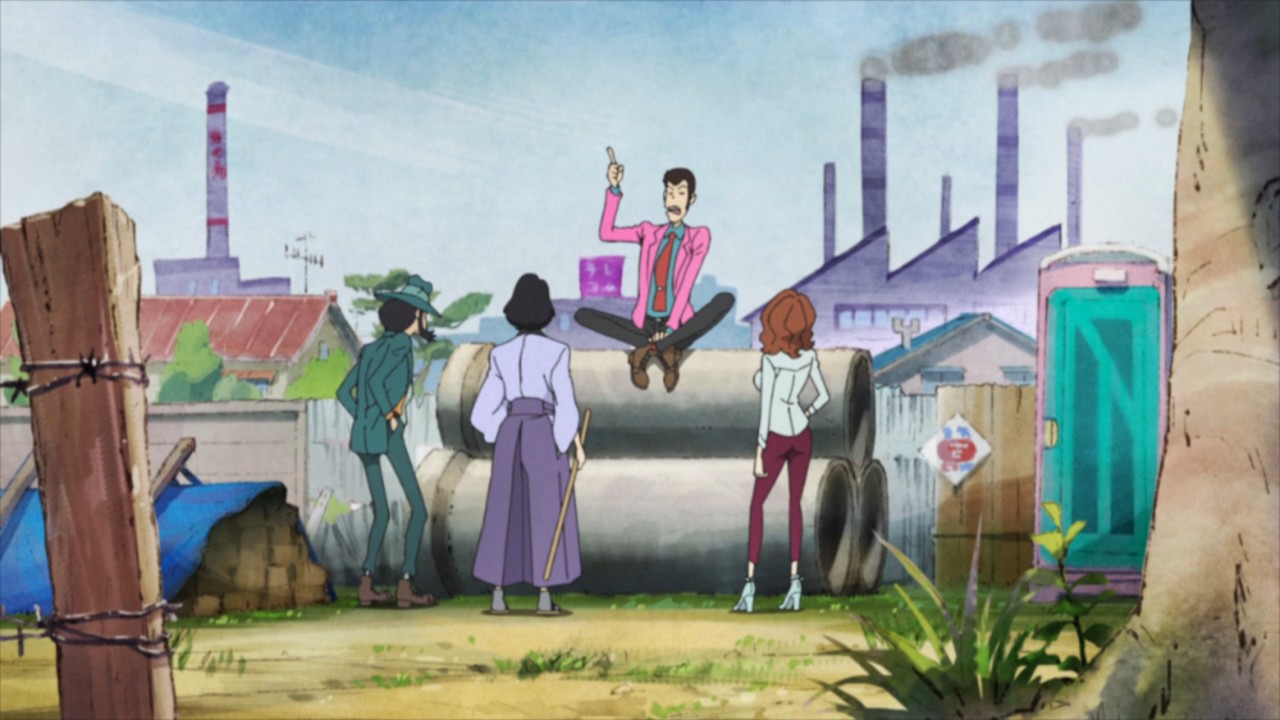
As somebody who was greatly disappointed by Lupin the Third Part IV I came into Part V expecting more of the same, but walked out blown away! This is everything I wished Part IV was, and it seems like the staff really learned from all their mistakes and were able to come together to make a very memorable Lupin series. My favorite has to be all the anniversary episodes that feature Lupin in his old jackets and the animation style changing over to how each previous series was animated. As a long time Pink Jacket Lupin fan I was in heaven, it’s probably been about 20 years since Lupin acknowledged the Pink era! Glad they were able to have so much fun with that particular throwback episode. 

Megalo box


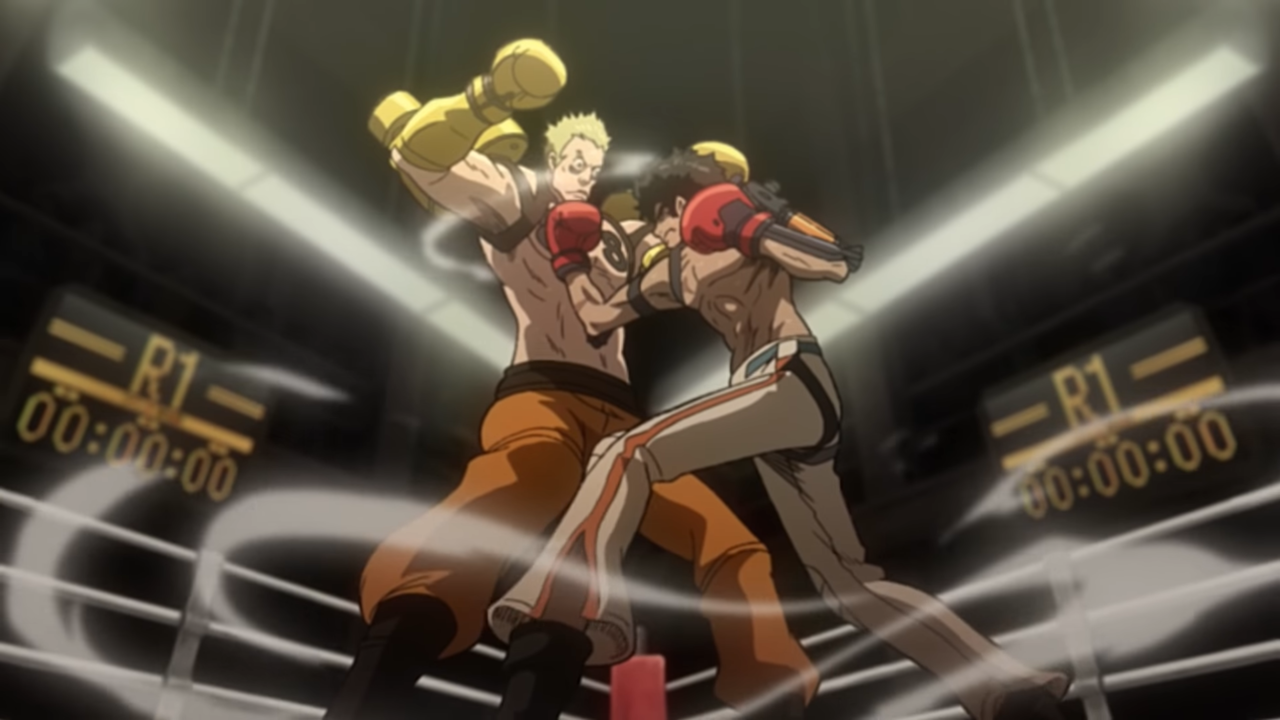
As mentioned earlier, Megalo box is the 50th anniversary project for the Ashita no Joe manga series, and one hell of a fantastic anime to boot. Everything from the animation to the music is top notch and invokes the feeling of the late 90’s and early 2000’s era of anime. It’s both nostalgic and new, and I think that’s a great way to pay homage to such a classic series. Megalo box is its own thing entirely while also reinventing many of the great moments from the original Ashita no Joe like some mirror that both reflects and distorts--it’s Ashita no Joe, it’s Megalo Box, it’s a classic reborn, it’s like nothing you have ever seen before. Megalo box is such a wild ride with thought provoking episodes and a crap ton of adrenaline rushing fights, and I can sing its praises all night if you let me, but the less said about each twist and turn, the better, so I think I’ll leave it at that. Easily one of the best anime in years, and had it not been for Devilman Crybaby it probably would have had my number one spot.
Mr. Tonegawa: Middle Management Blues (Chuukan Kanriroku Tonegawa) 


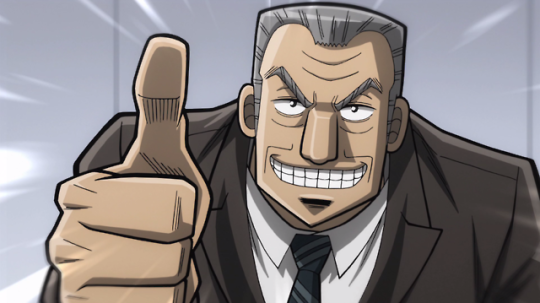
Mr. Tonegawa: Middle Management Blues is one of those weird spin-offs where you don’t really need to be familiar with the source material because … well it’s barley like the series it spun off of. This comedy centered around the Kaiji manga side character Yukio Tonegawa is best described as office humor, and it’s pretty straightforward with its premise of a hugely important businessman and his daily woes at his job. It’s sharp witted, and pretty funny but I think what made this series special to me was because it was the first “dubcast” anime from Sentai Filmworks I watched on Hidive, and I have enjoyed hearing all these different dub actors each week. I've gotten pretty use to hearing the Funimation and California based dub actors in weekly dub premieres, but hearing Sentai actors is quite something, and damn does this dub knock it out of the park. The real MVP of the show is by far David Wald as the narrator who can manage a laugh out of anyone no matter what the dialogue might say.


Muhyo & Roji’s Bureau of Supernatural Investigation


Muhyo & Roji is a Shonen Jump manga from 2004 that never really got its due credit. The manga was popular enough to maintain its spot in the magazine for many years but it never got an anime until this year. Was it worth the wait? Well, yeah, this is a classic Jump battle horror manga, with some good creepy monsters, and fun battles. I really enjoyed this show and I’m glad Muhyo & Roji finally got their moment of spotlight on the small screen. It brought back a lot of warm feelings from the early 2000', almost like a lost show from back then that I missed!

Planet With


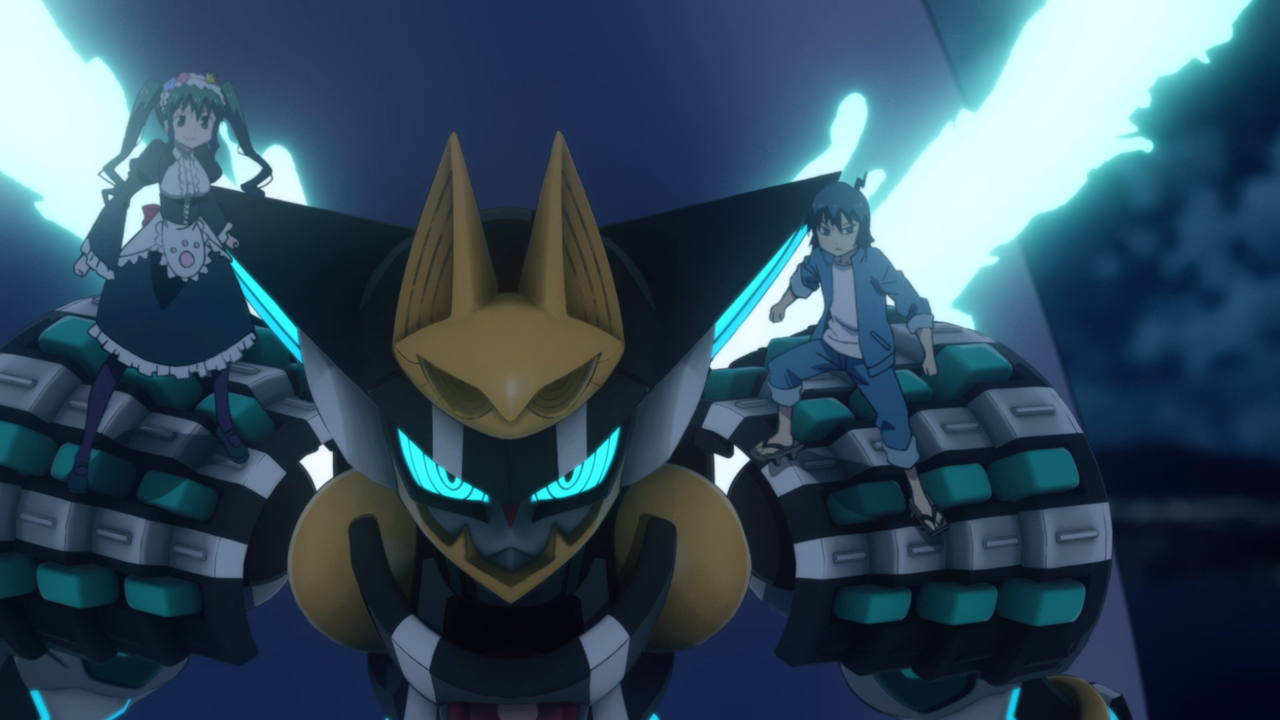
Planet With is weird. It involves a giant cat monster eating a young boy and turning into a super battle robot that said boy pilots and uses to get his revenge on the psychics who protect the earth from evil invading aliens. That’s … sure is something, but it’s just what you would expect from an original story penned by Satoshi Mizukami, the creator of cult hit manga Lucifer and the Biscuit Hammer and Spirit Circle. Just like Megalo box this is a bit hard of a series to talk about without spoiling all the best moments, but just know, the plot twist keep coming, and the game keeps changing, and everything gets more and more insane, and more awesome. This is one hell of a ride, and was also a major contender for my number one spot, personally. It's a show that anyone who enjoys the werid and anyone with a sense of humor definitely has to check out. You may come for the humor, but you will stay for the well written character moments ... and giant cat robot battles.
Skull-face Bookseller Honda-san (Gaikotsu Shotenin Honda-san)


Have you ever worked in retail? Well Skull Face Honda knows your pain! This skeleton man has been stuck working in a book store and has all kinds of stories to tell. This humorous look into the life of book salesmen and the manga market is a fun little series. There’s tons of insight on not just the retail industry but also manga publishing companies as well. It’s a great little short anime that packs a lot of laughs. 

Tada Never Falls in Love (Tada-kun wa Koi wo Shinai)
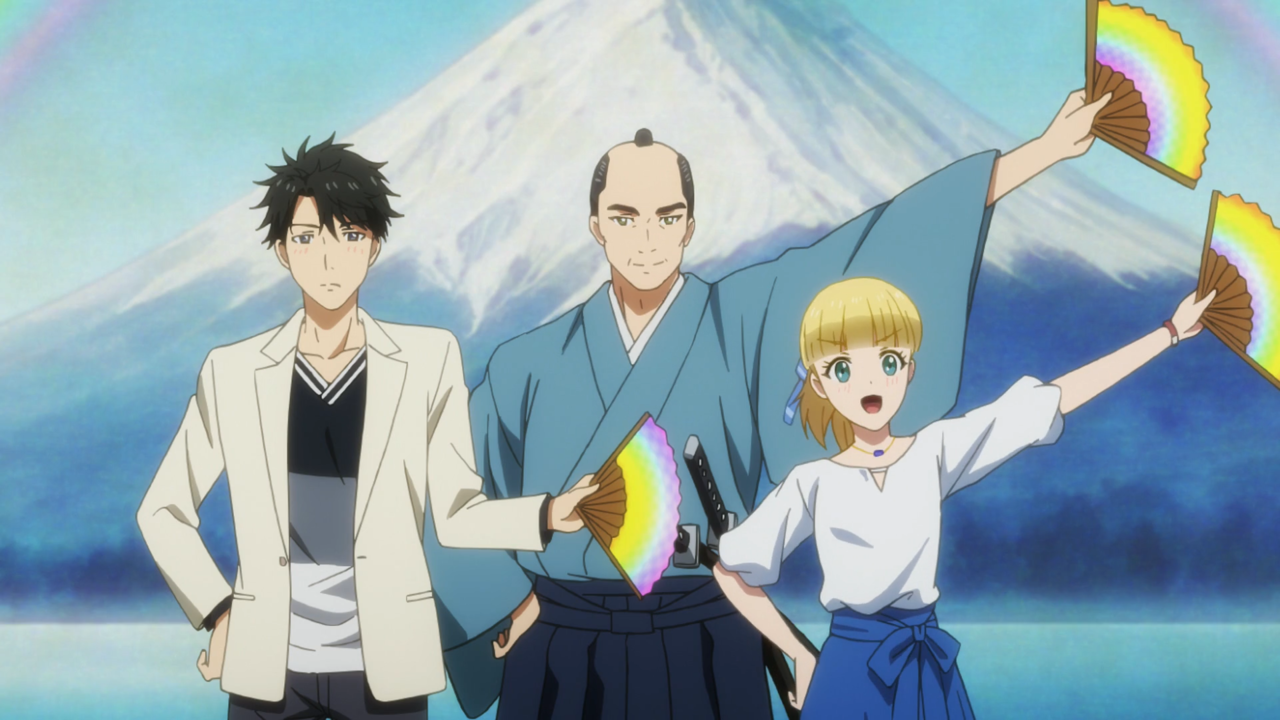

Tada Never Falls in Love reunites most of the staff from the popular 2014 anime series Monthly Girls' Nozaki-kun, and features a lot of the same kind of humor and characters. It’s a very laid back anime for most of its runtime, which lets the romance bud between the two leads at a more believable pace, and the final payoff is heart wrenching. As someone that has fallen in love with the wrong person in my past, I know all too well how much it can hurt to begin to harbor feelings for someone you know you can never be with and that heck you should never be with. The final few episodes of this series packs such a punch to the gut, and it’s really what won me over.

We Rent Tsukumogami (Tsukumogami Kashimasu)
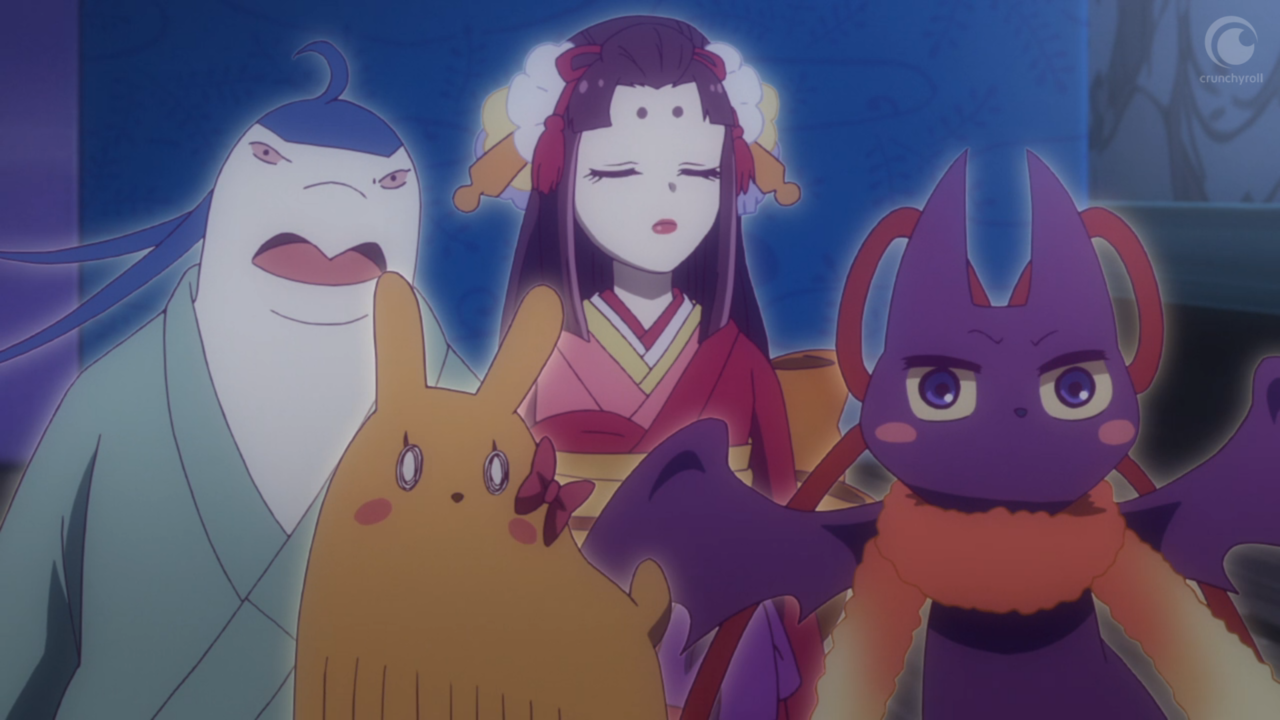

Did anyone besides me actually watch this anime? It got no love whatsoever and that always bummed me out whenever I watched an episode. It’s such a cute episodic show about a rental store that has tsukumogami, or inanimate objects that have souls and can come alive. Every week a tsukumogami is used to solve some sort of problem in the neighborhood, and it’s just a delight to see how these little dolls, tobacco pipes, and combs can be used to find out everything from cheating husbands, to phantom thieves. Of course the real treat is seeing how all these episodic stories eventually weave together into one greater narrative, and that characters often become reoccurring within the neighborhood, so even after their own episode is solved they still have roles to play within the greater story. You can really tell this anime started life as a novel, it’s so well written. 

BONUS ENTRY: -Biggest Anime Surprises-

Perhaps the biggest surprise for me personally this year for anime was that I actually spent more than any human ever should on the Legend of the Galactic Heroes blu-ray box set. No kidding, this thing haunted me most of the year, and makes for one hell of a conversation starter. “Yeah, I am one of the few 1,000 elite that own Legend of the Galactic Heroes in English, what of it?” I say, while my guest stare at me confused as to what the hell Legend of the Galactic Heroes even is and why there is apparently only 1,000 of it to go around. 


But in all seriousness now, Sentai Filmworks really impressed me personally this year. Their hidive streaming service has become one of my favorite to use this year to stream anime, and I watched so many great classics on it; Legend of the Galactic Heroes Gaiden, Blue Gale Xabungle, Space Runaway Ideon, Glass Mask (1984), Armored Troopers Votoms, Aura Battler Dunbine, and the list goes on. This year was a huge year for streaming classic 80’s anime in large part do to Hidive. And now Sentai/Maiden Japan are releasing a large chunk of these anime on blu-ray which is something I never thought I would live to see the day. You can buy the entire Space Runaway Ideon series on BD right now if you wanted to. What a time to be alive! Perhaps the biggest surprise was their acquisition of Armored Troopers Votoms, a show I wanted someone to license rescue for close to a decade now. I always regretted missing out on the original Central Park Media (man they don’t even exist anymore!) DVD release back in 2001. I always thought it would be Discotek coming to the rescue for Votoms, but you know what, I’m glad to see it was Sentai. The more companies putting classics on BD the better, I say.

I hope you all enjoyed my anime list and have a great new year! Happy 2019!!!

Oct 20, 2018

Zero Frights: Devilman in Comic Form (1972-2012 - manga)


The majority of my Devilman coverage in this year’s Zero Frights has been all anime related, but the Devilman franchise covers a wide variety of entertainment mediums from animation, to video games, to comics, to live action, and more. I decided it’s high time I got around to talking about some of the other Devilman entries outside of just anime. That’s why I’m going to wrap up my Devilman coverage by looking at some of the Devilman manga that are currently in print in North America. Sadly, Go Nagai’s presence in the North American market place has been lackluster to say the least. In many European markets Nagai is huge and his books sell incredibly well, with tons of his work translated into French, Spanish, and Italian, but sadly for the longest time Nagai’s works could just never catch a break in English speaking markets. Much of this can be attributed to his work being too controversial for America in the 80’s and 90’s ... well sort of.

It isn't as if the American comics market didn't have some incredibly visceral, graphic, and downright upsetting content as well, oh no, the American comic scene may have very well been ready for Nagai, but the American manga market wasn't. Manga was just getting its footing in the North American market and had many set backs. It took a lot of effort from many corporations to finally give the medium a fighting chance in book and comic stores, and getting American readers to warm up to vastly different manga was a herculean task as well. While there are some weird experimentations like the Fist of the North Star release in the late-80’s, it was much too dangerous to put the incredibly young North American manga market at risk with Nagai’s more risqué and graphic works. Sadly as the market place matured, much of his backlog became too old to be deemed profitable by that point as well--really missing their chance. However, recent years have seen a renaissance in retro anime and manga, and the market for classics have never been this healthy so we’re finally seeing the floodgates slowly open on Nagai’s works.


Seven Seas’ has been leading the pack with a fantastic line of retro manga in their Classic Collection series: including the likes of Space Pirate Captain Harlock, Space Battleship Yamato, Cutey Honey, and you guessed it, Devilman (1972). They also have a few more recent Devilman titles in print to boot. Let’s take a look at some!


Devilman Classic Collection (1972-79) - Like I said above Seven Seas’ Classic Collection line is really high quality. I love these huge hardcover tomes; this Devilman volume has over 680 pages and is about half of the entire manga, with the second half coming out in November. I really can’t recommend their Classic Collection line enough. As far as the manga itself goes, while Devilman is famous for its violence and sexual content, I think a lot of the 70’s campiness is often overlooked. This book is pretty goofy at times, and it may seem at odds with the graphic content, but this is where a lot of the fun from its era comes. This collection also contains all the chapters from the semi-sequel series Shin Devilman which featured time travel shenanigans. So one minute you’re reading a Devilman chapter where a child is being tortured to death by their monstrous parents, and the next minute it's a Shin Devilman chapter where Akira and Ryo are Quantum Leaping through time hoping the next jump will bring them back home. Thankfully Shin Devilman takes place during the original 1972 Devilman so this isn't really a continuity issue, but it being there can lead to some pretty hilarious connotations you don't usually see in most Devilman anime, like for instance, did you know Adolf Hitler was actually tricked into hating Jewish people by demons? I mean, yeah, the legendary ending of the 1972 original manga is one thing, but why aren't more people talking about Shin Devilman? This Hitler chapter, man, I just can't even. All jokes aside though I love this odd mixture of goofy and horrid; these two Devilman series make a great collection together and are a fantastic retro read that any fan of classic manga owes to themselves to check out.


Devilman Grimoire (2012) - Hey, did the original Devilman TV series ever sound interesting to you but you wished it was just as violent and sexual as the original manga series? Well do I have a manga for you! Devilman Grimoire by Rui Takato, is an interesting twist on the classic formula, where the demon Amon really does manage to posses Akira Fudo--it's Amon that's the one truly calling the shots here and in full control as the protagonist, but instead of going on a killing spree, he falls head over heels for Miki, himself just like Akira did. Miki is such a goddess even a demon can get a crush on her! With his newfound love, Amon lies and pretends to be Akira Fudo, and helps Miki fight off the many other demons now possessing people. This has become one of my favorite manga I've read this year, and each volume really tops the last. The sheer amount of fan service to the original TV series is insane, but there is also so many other nods and references to everything else in the franchise from Devilman Lady to Mao Dante. This is a series made by a huge fan of Devilman for other huge fans of Devilman, and I highly recommend it.


Devilman vs Hades (2012) - Much like Cyborg 009 vs Devilman, this is another cross-over that is hard to talk a lot about because of the sheer amount of spoilers for their respective series, but is a really well made homage to said series. I came into Team Moon’s Devilman vs Hades with zero expectations but came out really surprised how great it was. On paper Devilman fighting the villain of Great Mazinger seems rather odd, but it works incredibly well here in this book, and a lot of that has to do with the fact that it takes place in the post-apocalypse. Seeing the whole Hades title made me figure this manga would take place mostly in Hell, but a large chunk of it is in the destroyed ruins of Earth after the infamous ending of the original 1972 Devilman manga (so it is best to read this right after that). Seeing what remains of the Earth after the way the 1972 manga ended is a large part of what made this series for me. The fantastic artwork is both a blessing and a curse however, as when it works it is incredibly detailed and jaw dropingly beautiful, but there are more than a handful of times when the art is just incredibly hard to decipher what is even going on in the panels. There would be times where I would find myself thinking "it's pretty, but, what just happened?" Overall though, a really fun read that I did not expect.


Thank you so much for reading all my Devilman coverage this year, it has been one heck of a ride producing this much writing on Devilman in these past three weeks, and I hope you were able to enjoy it. Please look forward to Zero Frights shifting gears next week into GeGeGe no Kitaro! I have a lot I want to say about this franchise as well before Halloween is over, so there is still plenty horror based content to read here. 

Oct 16, 2018

Zero Frights: The Devilman Went Down to Netflix (2015-2018 - OVA / ONA)


Previously we discussed how the growth of the anime market place in the mid-to-late 80’s established a new production trend, the OVA, as well as a new precedent for violence and sexual content in animation. This new precedent in turn helped lead to the development of new Devilman anime that could incorporate the more brutal aspects of the manga without fear of broadcast standards or guidelines. With the advent of pay-per-view programming and On-Demand broadcasting, a similar change would occur to the market place again, Original Net Animation, or ONA for short.

The similarities between both OVA and ONA can seem rather negligible for most, where the biggest difference being their intended distribution: either through home video or some kind of video service. However, a gradual shift in the production of ONAs would eventually take place because of technological advances; with ONAs making the shift from being mostly pay-per-view or On-Demand, i.e. cable services, to internet streaming content, either original animations made by indie creators, or for the sake of this article, professionally made content for streaming platforms. 

ONAs have recently found themselves becoming a hot ticket item. Corporations are desperately trying to get a foothold in the streaming market and maintain staying power--keeping their customers paying every month; never lapsing in their subscriptions to their service. A key element to this is curating an extensive library of entertainment you cannot get anywhere else. This has lead to the creation of an astronomical amount of new entertainment, all catered to a younger, online audience instead of an traditional mainstream television audience, and the effects can be felt in almost every medium, anime is no exception.


Netflix’s forway into original anime started out slowly, first with just licensing already localized anime, then to translating and simulcasting new anime themselves, and eventually to funding the creation of their own anime. For Devilman it all started back in 2015 with an OVA series released in Japan called Cyborg 009 vs Devilman. Netflix ended up picking this series for international distribution. This OVA is a bit of an odd one, however, and you don’t see many people mention it, despite Devilman’s eventual rise to the mainstream a few years later on the very same platform. I imagine a large part of this may be the cross-over aspect, as not only do you need to be familiar with Devilman, but you also need to really know your Cyborg 009. Oh boy do I hope you know your cyborgs.

The first episode of this 3 episode OVA is the worst offender of this, as it has a cold opening that animates famous scenes from both series’ manga, a cool treat for long time fans, but an absolute nightmare for everyone else. Not only will the first 5 or so minutes of this anime be hard to follow, lead alone understand, for those who are new to one or both franchises; it’s also spoiler city, showing potential newcomers huge moments from their respective franchises way before they should. It would be as if Star Wars: A New Hope started with the scene from Empire where Darth Vader tells Luke he is his father, then rolls its credits and goes back to the start of A New Hope.


While I want to be more negative, however, the cold opening, while not newcomer friendly at all, is just so well made for its fans. This is also weirdly the only instance in any Devilman adaptation that Go Nagai’s use of negative space was replicated. Nagai loved using negative space in his manga, and Devilman is especially heavy on this use during particularly brutal or emotional scenes, yet no other anime ever made in the franchise actually tried to replicate this use of negative space other than the cold opening seen here. Perhaps this is a metaphor to best sum up the entire OVA, as it’s a fun romp that knew its two source materials inside and out (look no father than the ending theme animating legendary panels from both manga) but just is really hard for anyone to get into who wasn't already a huge fan. It’s a shame as this is great fun with a team up I never knew I wanted but ended up enjoying a lot, but it’s just so hard to recommend to anyone.


It would be 3 years later in 2018 where Devilman really got his major hit on Netflix, Devilman Crybaby, a brand new ONA produced in part for Netflix itself. Devilman Crybaby was helmed by directer, animator, and all around auteur, Masaaki Yuasa, an artist that was for the longest time was an underground darling but has recently started to really garner the more mainstream respect he deserves, much like Devilman itself. Yuasa and his studio Science Saru have a very unique look that isn't like what a lot of people may think when they hear "anime"--instead of usual highly detailed but stiff, Yuasa's works are mostly fresh and emphasize free form movement. Devilman has never looked like this before, and that’s probably the best way to describe Crybaby as a whole.

Yuasa and his team were able to take the original material and adapted it for modern audiences; revitalizing and updating aspects of it to better match today’s times. Crybaby is a whole new beast entirely, that examines parts of the manga that where there, if you read between some lines, and really gives them a brighter focus--aspect like puberty, and even homosexuality are all much thoroughly explored than their original 1972 counterparts where they mostly were left for subtext and later works in the franchise to flesh out. Police brutality, poverty, mob mentality, social movements, and the internet are also now examined under the microscope; aspects that weren't entirely new are given more depth than previous adaptations have ever really taken the source material as well. Devilman is no longer just a metaphor for war in Crybaby, it’s a metaphor for hate, injustice, and intolerance. It touches on how volatile and knee-jerk modern society can become. This is Devilman on a 21st century entertainment platform with 21st century values being examined. That’s the real secret to Crybaby’s success.


Perhaps the biggest surprise to Devilman Crybaby though is that it is the first animated adaptation to Devilman in over 45 years to ever adapt the original, infamous ending of the manga. That is insane to think about, it took four and a half decades until an entertainment platform outside of comics could show the ending. For many fans this was the cherry on top for Crybaby, something that seemed almost impossible by that point was finally delivered. And let me tell you, it was worth the wait. The original manga ending works especially well with this new interpretation of the material too--Yuasa and his team were able to really transform the whole thing into something beautiful. The less said about the ending, however, the better, so all I will say beyond this is: be ready. 

It’s hard to tell where Devilman may go in the future, we examined its prototype, we looked at the original TV series that started it all, went over its OVAs where the series really started to come into its own, and now ended on its ONA where it has finally found mainstream appeal on an online platform. Through the course of all these reviews I really enjoyed seeing how Devilman transformed with the anime market on a whole, but now that my Devilman coverage for this month is coming to end I will like to look at the original medium that it was created on; so the final piece of Devilman related content for this year’s Zero Frights will be an examination of some Devilman manga. Please look forward to it.

Oct 11, 2018

Zero Frights: Devilman: The Birth & Devilman: The Demon Bird Sirene (1987-1990 - OVA)


As discussed previously, when the Devilman manga originally started in 1972 Japanese television was not yet ready for it. GeGeGe no Kitaro just hit the airways only 4 years prior, and it was a long road transferring that particular horror themed series from the pages of manga to the small screen--which was thought far too morbid for children until then. Devilman as a manga is renowned for its sexual themes, grotesque violence, and hideous monsters, but as a manga it’s still not too out there. There was other more extreme stuff in print by that point in the early 70’s, and it was far from the only manga to touch on incredibly mature themes. The point is, for a manga, while still shocking--especially for its younger boy to teenage audience--it was still right at home for a manga, where as the budding television anime market was far too young to touch it.

That’s where the ever expanding anime market of the mid-to-late 80’s and early 90’s really came in. The growth of the anime market saw original video animation (OVA), or direct-to-video film and shows that bypassed theatres and television alike instead going directly to the consumer. The waves of OVAs to follow in the years after Dallos would range wildly in quality--many productions, such as The Heroic Legend of Arslan, were passion projects that animators poured all their imagination and talent into; as well as all their money--while other productions just seemed to really relish this new found freedom to work out of the restraints, guidelines and censors, leading to a golden age (or maybe a dark age depending on whom you ask) of overly violent and sexual animation. All kinds of schlock would eventually fill video stores, and titles like Urotsukidoji and Demon City Shinjuku started to become the norm for anime shelves. Finally there was an animated market where Devilman would feel right at home.


For the longest time these two particular Devilman OVAs were easily the closest to the original material that any anime had ever got--a somewhat ironic statement when you realize these 2 OVAs were adaptations of the Devilman novelization written by Go Nagai’s brother, and not actually a straightforward adaptation of the manga itself; although it’s a pretty common misconception that it is amongst fans. But all that aside, the franchise finally had an animated series that fit the visceral tone of the original manga: an anime with all the blood, violence and tiddies that the manga had, and maybe even more! For that alone it’s easy to see why The Birth and The Demon Bird Sirene are still very fondly remembered today more than 20+ years later. Both OVAs were directed by the late Umanosuke Iida, who later went on to direct and storyboard part of the Hellsing OVA, but has storyboarded, directed, and drawn key animation for many other works--touching everything from Cowboy Bebop, to Lupin the Third, to even Mobile Suit Gundam. It would not be unreasonable for newcomers to worry over the quality of The Birth or The Demon Bird knowing the bad reputation OVAs from this era have--mostly that the majority of them are nothing but pure schlock--but thankfully both land overwhelmingly on the artistic side instead. If anything, The Birth and The Demon Bird are those rare crossbreeds that go full batshit in the sex and violence not to shock the audience or to disguise a low budget, but to compliment the story they tell.

The 2 OVAs compliment each other, with each leaning heavily on different aspects. The Birth is just that, the birth of Akira Fudo becoming Devilman. This OVA relies heavily on suspense and while it may be a bit too exposition heavy, it is actually my favorite of the two. The general atmosphere of The Birth is just handled so creepily and all the world building and set up is just so fascinating, that I don’t mind if it’s essentially; Ryo explains demons to Akira: the movie. The small fights dispersed in-between conversations certainly helps too, and more interestingly, they are all Akira and Ryo desperately struggling with just their wits and everyday weapons (mostly a lot of guns), instead of relying on superpowers. Of course that is until the ending bloodbath where Akira finally becomes Devilman and all hell gloriously breaks loose. The Demon Bird is the polar opposite of The Birth, where very little is explained since pretty much all of that has been covered, and instead goes all in on action scenes. This is where the OVAs bring in some of their best animation, as it essentially runs through back-to-back battles with all the biggest, baddest demons in the franchise, culminating with the final fight against Sirene. Together the two strike a very perfect balance of story and action, and are really satisfying to marathon.


The Birth and The Demon Bird are such solid fun OVAs that have some of the best the late 80’s could really offer, but they are also kind of infamous on the internet too--but not for what you might think. It isn't the actual content but the hilarious and genuinely gratuitous dub that that it received from Manga Entertainment. This practice was very common for Manga Entertainment back then, whom banked on a lot of hyper violent, sexual, horror anime releases in rental stores. This lead to their dubbing adding a whole slew of swearing and F-bombs that wasn't ever present in the Japanese scripts in the hopes to raise the age rating of the anime in order for it to have to be placed near the Rated R (or equivalent) movies in rental stores. That way when the average Joe is checking out Friday the 13th Part LXIX they might stumble onto Devilman in the store and want to check it out too. There are of course people who will tell you to steer clear of this ludicrous dub and just stick with the much more appropriate Japanese audio and subtitles, but I honestly highly recommend it at least once. A dub this insane has to be experienced, and honestly how fitting is it that OVAs known for their shock value and schlock ended up getting dubs that try so hard to be shocking and schlock-y! It’s in some ways the perfect dub for Devilman (okay maybe only in crazy town logic it is, but whatever).


No matter how you do watch the The Birth and The Demon Bird however, you are definitely in for a good time with what was one of the best Devilman adaptations for many, many years.

Oct 9, 2018

Zero Frights: Devilman (1972 - anime)


As discussed earlier in my Zero Frights Introduction and my Mao Dante Review the original 1972 Devilman anime played a key role in the creation of the franchise as a whole. The short version for the uninitiated is that executives over at Toei animation wanted to create a series based around Nagai’s earlier Mao Dante (aka Demon Lord Dante) manga but with changes to make it more appropriate for television and a hero with a more humanoid appearance. Nagai felt that instead of just tweaking the earlier Mao Dante into something else he should start fresh and this is how he took similar elements from Mao Dante reworked them and created the new series Devilman.

Nagai oversaw the production of the TV series and was invested in it greatly but would later put most of his attention into his own manga version that he controlled himself. Eventually the two projects diverged and became wildly different. This was due in part to Nagai’s freestyle writing without any planning ahead as well as how he felt the audience for the magazine in which his manga was serialized under was much older than an audience that would watch television anime making him feel a need to up the maturity level of his work.


Some of the major characters from the manga not present in the anime came about because of these reasons, with the biggest example being the character Ryo Asuka whom was a key component to the manga but noticeably absent in the anime. Go Nagai conceived of Ryo much too late in the production cycle for the anime to incorporate him into their version, much to the dismay of some of the staff whom loved the character and felt he would have been a fantastic addition to the anime version. The anime seemed to try its hand rather hard from that point to create its own hand similar character, first with the rival character Iwao Himura and later with the demon Dorango, former friend turned foe.

It’s the intended audience that is the biggest difference between the two works, however, and goes much deeper than just missing characters. The television anime was conceived to thematically be about evil vs evil, with the villainous demon Devilman assuming the role of the now deceased Akira Fudo and falling in love with the “goddess” Miki Makimura. Instead of spreading death and destruction like originally intended Devilman fights to protect Miki and her family because of this love he now harbors even though it meant fighting the very evil forces he was once part of. Eventually we watch Devilman grow as a better person--he mellows out and loses some of that sharp edge he used to have, and noticeably carries a deeper respect for ideals like love and friendship. This is very much at odds with the strong anti-war message of the manga where humans assume demonic forms and power being a message for war drafting and arming young people with weapons. The second the protagonist Akira Fudo lets the demon Amon possess him he is throwing away his innocence and arming himself with a weapon. Hate begets more hate and the cycle becomes increasingly violent until eventually things go too far. Devilman the anime sees concepts like justice and love winning out in the end where as Devilman the manga sees a world where violence carries heavy consequences.


The Devilman manga is a story with a deeper meaning meant to be interpreted through its pages and it’s easy to look at that and feel the original 1972 anime just doesn't belong with its typical tokusatsu superhero monster-of-the-week formula, which is why it has a bad rap amongst some fans. This however is pretty unfair as the 1972 anime series is thoroughly well crafted and written. Scenario writer and novelist Masaki Tsuji oversaw much of the writing for the anime and produced incredibly solid scripts for the series. Tsuji was a huge writer at the time and wrote a large amount of episodes for an extensive amount of now legendary TV series such as Astro Boy, GeGeGe no Kitaro, Cyborg 009, Tiger Mask, Dokonjo Gaeru, Babel II, Dr Slump, and Giant Gorg--just to name a few.

Putting aside the manga, and what the franchise later evolved into--after all there was no franchise at this point--the original 1972 Devilman is a great 70’s superhero series that really deserves more love from the fans. Devilman’s multiple powers are all fun with cheesy names like Devil Cutter, Devil Eye, and Devil Beam (that the catchy opening song of course explains), and he posses the ability to grow into a giant much like Ultraman. Fights are dynamic and even a bit bloody at times, but the best aspect by far, however, is the fun monsters-of-the-week themselves. These demons typically looked grotesque and often used underhanded and sometimes actually scary methods to fight Devilman. A lot of the demons in the original manga made an appearance here and they are all great enemies for Devilman to fight. The general horror themed based animation really just started by this point on Japanese television as GeGeGe no Kitaro only just aired 4 years prior, so you can see the yokai boom in full effect.


The 1972 Devilman anime is one of my personal favorites from this era and anyone that enjoys older tokusatsu shows or are looking for some horror in their cheesy monster-of-the-week romps can easily fall in love with this series. I always was really fascinated with the series just for the fact that it stars the demon (not yet named Amon) instead of Akira Fudo as well. That difference is just so interesting in retrospect for the franchise and puts a whole other spin on much of the later created content. There’s also obvious Mao Dante trappings left behind that are a lot of fun to notice for long time fans as well; such as the demons all living in a frozen wasteland and being sealed in ice for thousands of years, the character Zannin who is blatantly just a reused Zennon from Mao Dante, and the ruler of the villainous Demon Tribe looking very much like a silhouette of Mao Dante himself as well as (kind of confusingly) being named Zennon.

The series as of late as found a renewed interest thanks largely in part to the many lovingly placed references to it in the brand new Devilman Crybaby. Thankfully it is incredibly easy to get a hold of nowadays as well because of Discotek releasing it on DVD (you know I was there on Day-1). The Discotek release contains a great translation that is easy to understand which is a huge improvement over the old days where I watched the series with bootleg English subtitles that were pretty questionable and always refereed to Devilman as Debiman (I like to think this was his nickname because he ate one too many Little Debbie snacks). With such a huge milestone as Go Nagai’s 50th anniversary this year and all the recent releases for Devilman in North America from Netflix to the many newly released manga, maybe now the original anime can finally get some more love too.


Oct 5, 2018

Zero Frights: Mao Dante (2002 - anime)


So I am going to kick off Zero Frights by looking at Devilman titles released in North America. We’ll be starting this process by taking a closer look at the three Devilman anime released on home video by Discotek. All of these releases are currently in print. Tonight’s blog entry will be on the first of the three, Mao Dante.

Mao Dante (or Demon Lord Dante as it’s often translated) was Go Nagai’s orignal attempt at making a horror based manga where the forces of good and evil are not clearly discernible at the beginning. Although popular the original 1971 manga was canceled because of the magazine it was published in going under. Despite this it caught the eyes of some executives at Toei animation who wished to create an anime based around Mao Dante but with slight alterations to make it fit better for TV. So Nagai reworked elements from Mao Dante and Devilman was created. It took almost 30 years of living in Devilman’s shadow ever since but Mao Dante finally got its due in the year 2002 with a brand new manga Shin Mao Dante (sometimes referred to as New or Neo Mao Dante) that remakes the entire series as well as adding new content--the most prominent of which being an actual ending, and an anime adaptation of the original 1971 manga which will be our main focus tonight.

The Mao Dante anime comes from that magical era in the early 2000’s where animie studios wanted to remake classics but they were all especially terrible at it. You know right from the start if you’re picking up a show from 2001 - 2005 that adapts a classic manga you’re in for an awful time. I’m not saying every attempt at it back then was bad, after all we got the much beloved Captain Herlock: Endless Odyssey (2002) out of that era, but well, I am saying Mao Dante was in good company, with the majority of its contemporaries being more akin to Babel II Beyond Infinity (2001), and the mega hit show that everyone loves: Genma Wars (2002). Who could forget Genma Wars?!!! I know I can’t; I tried. The less-than-stellar track record of this early 2000’s fad of trying to cash in on classics combined with the fact that most of these animes were created very cheaply when the use of digital paint was just in its infancy and they all look especially terrible really is a gut punch whenever you scroll through titles of this era. We live in a much better time where the majority of anime based on classic manga get the treatment they deserve.


So you may be asking yourself, besides some poor presentation what’s so wrong with the Mao Dante anime? Well ignoring the bad animation and funky Adam West Batman - esque soundtrack (yes, the background music is bonkers, and never fitting for any scene) the worst culprit is the medium itself. The Mao Dante television anime should have never existed. I’m not saying that in a bitter, sarcastic way either, but as an actual critique from someone who read the manga. You see, Mao Dante is incredibly short, it was published in just 2 manga volumes. It’s a brisk read, you can honestly finish the entire thing in about 90 minutes, probably even less. There is just barley any content to work with here. The studio behind this adaptation should have instead just focused on creating a feature film based on Mao Dante or at least only made Mao Dante a 2-3 episode OVA series. Instead we have 13 entire episodes, over 300 minutes of content, telling something you can read the entirety of while cooking dinner. Basically, I hope you like filler content and a story that is paced as fast as snails, because that’s what you’re getting.

This is the most detrimental aspect of the Mao Dante anime, it’s filled to the brim with so much poorly written content not in the original source material, that does not jive well at all with Nagai’s story. For example, the first 3 episodes, none of that was in the manga, just throw it away. You lose nothing! These early episodes try their best to build a slow and suspenseful atmosphere, almost like a mystery themed series, but as soon as the original source material comes back into the story, they just feel off. The conspiracy about Satanist trying to summon their lord Dante back to this world just isn’t that creepy when you later learn these Satanist are lovable outcast, and that Demon Lord Dante is the result of a pissed off dude flying a space ship that is being eaten by a dinosaur while another dinosaur is eating that dinosaur, and all of them got blasted by fire from God who just turns out to be an alien causing them to mutate into one powerful being. So basically Demon Lord = pissed off dude + space ship + dinosaur + dinosaur + alien flamethrower. Got it.

And don’t get me wrong, I love this! I unironically eat this up, this is the campy apeshit kind of science-fiction story I can’t get enough of from the 1970’s. But that’s just it, at its core, Mao Dante is more of a sci-fi series with Christian imagery than an actual story about the struggle of Heaven and Hell. It’s a battle of disgusting looking espers fighting angelic looking aliens. All of this occult mystery stuff really is just basic window dressing in the manga and does not need to take up one quarter of the anime. And this has nothing on the awful Four Demon Kings story arc that literally made no sense and takes up another quarter of the anime. I know Nagai was fast and loose with mythology but at least Medusa feels somewhat at home mixed in with the Christian demons, unlike Buddhist Gods; like what the hell--they aren’t even European.

So we got a sci-fi series at its core with cool Christian imagery now turned into this mess of an occult mystery-conspiracy, meets Buddhist Gods rampaging through Asia, meets an evil corporation that is mass producing fake demons to trick people into hating the real demons, meets I dunno, office hijinx? Add filler characters that are dull, and that minor characters from the manga are given new story arcs they didn’t need nor should have gotten. Why did minor villain Souske need to become a good person? He was a rotten dude in the manga that got off from murdering and torturing innocent demons too weak to fight back. Did I really need to delve into his internal struggles? By making the villains more symptomatic it honestly does a disservice to the manga. It can be kind of hard to decide who to root for sometime while watching this anime version because everyone is just some kind of muddled where the manga is very straightforward on the characters and that when you get beyond how hideous and grotesque the demons are, they are really the true victims and the good guys.


Mao Dante is a horror anime where everything that shouldn't be ugly is ugly: cheap animation abound, lazy character designs, backgrounds constantly warp and change in size, the story is bastardized: riddled with filler, terrible pacing, inappropriate thematic elements, and nothing is scary at all. Honestly Mao Dante is unintentionally hilarious most of the time, with the majority of its attempts at frights creating laughs instead. There’s none of the hyper violence Go Nagai is known for nor any of the sexual content either. It’s an incredibly sterile anime given its material. Stay far away from the Mao Dante anime, no matter how curious you may be about the origins of Devilman. My suggestion is to just read the manga. It’s a light and easy read that is pretty fun. Any fan of classic manga owes it to themselves. Likewise the 2002 Shin Mao Dante remake is an incredibly good read that improves greatly on the original material, has a nice ending, and is all around fun too.


Oct 1, 2018

Zero Frights: An Introduction to Devilman & GeGeGe no Kitaro


It’s October 1 today and Halloween already feels like it’s around the corner. For me October marks the start of one of my favorite times of the year--fall weather is a welcome relief from the summer heat, the seasonal food is fantastic, and everybody is a little spookier than normal. It’s just the right time of year to get cozy and enjoy something creepy. That’s why for the past couple years I've desperately wanted to do something horror themed for my blog and sadly I have always fallen short. Last year we got to look at the creepy Kamaitachi no Yoru, but that was just one review and not the celebration of the spooky scaries that I've always wanted.

That’s why I doubled down this year and decided to go all in on a new series of reviews. This is a bit of an experiment to say the least, and I’m not sure if any of this will make it to next year, but I want to try to keep throwing out spooky content until something sticks--thus Zero Frights is now born. Zero Frights will be a series of shorter reviews on horror themed anime and video games that I cover all through the month of October. This means that instead of my usual one or two large reviews a month I am going to be releasing a bunch of smaller ones. How many? Well it’s actually kind of hard to say at this point, I’m just making it all up as I go along.

This is the basic concept I decided to go with, however for this year I am already going to make an exception. Yeah, I know, I just started and I got excuses! It’s just that this year is a bit different from most as 2018 marks two hugely important 50th anniversaries: the anniversary of Go Nagai starting his manga career, and the anniversary of the first GeGeGe no Kitaro TV anime from 1968. It was because of this that both Nagai and Mizuki got the red carpet treatment in 2018 with both creators getting brand new animes: the Mazinger Z Infinity film, Cutey Honey Universe, & Devilman Crybaby for Nagai’s 50th, and the brand new ongoing GeGeGe no Kitaro for its anniversary.


Devilman and Kitaro are two huge franchises that I love and have always wanted to do something with for Halloween so I am instead going to put all my focus into just these two this year because of these anniversaries. That unfortunately means the very first (and maybe only) Zero Frights is going to lack any video game content. If this ever goes beyond just this year I will try to make up for that in the future.

So to get everyone up to pace I will just give a quick rundown of both Devilman and GeGeGe no Kitaro’s histories. Let’s start with Devilman because why not.

Devilman is a series from famous manga creator Go Nagai, best known for his big 3 franchises: Mazinger, Cutey Honey, and you guessed it: Devilman (no coincidence all 3 got new anime to celebrate his career milestone this year). But Nagai is perhaps even more well known for his love of pushing the envelope and creating new controversies to enrage parents across Japan. Sometimes Nagai was shock value for shock value’s sake but other times he could be deeply moving and really beautiful. Whatever the case though, if you picked up a manga from Nagai it was gonna be absolutely grotesque, hyper violent, and full of tits. That’s Uncle Go for you.


Devilman started as an anime and manga series simultaneously in 1972, and was more or less Nagai remaking an earlier canceled manga Mao Dante (otherwise known as Demon Lord Dante). In both Mao Dante and Devilman Nagai wanted to show how good and evil aren't always clear, and while nowadays we have a multitude of angels are the bad guys stories (SMT loves that especially) for 1972 in a children’s manga magazine this was pretty groundbreaking stuff. Most classic anime fans agree that Devilman and the earlier Mao Dante are some of the most influential groundworks for apocalyptic narratives in anime today.

I covered a lot of information about the late Shigeru Mizuki and Kitaro earlier in a blog post I wrote dedicated to Mizuki after his passing in 2015, but since then I have learned a lot more about about both and I don't particularly like that post much now. If you don’t want to skim it I think the best way to sum up Mizuki is the father of modern yokai stories. Mizuki helped to popularize yokai in a post-WWII Japan where silly old folk stories and superstitions were deemed too old hat for the (then) modern era. Mizuki was able to make yokai popular again and because of that it started the yokai boom in the 70’s where it seemed everyone wanted to have a yokai anime or manga: with imitators like Yokai Ningen Bem, Dororo, and Dororon Enma-kun (from none other than Go Nagai himself).


What separates Mizuki from all his imitators though is that the man was a living, breathing yokai encyclopedia. Literally! He wrote multiple encyclopedias about yokai, and these are not just fun little anime merch, but real, actual academic encyclopedias. He was considered to be an expert on the subject and his depictions of yokai have ended up becoming some of the default art work for them in modern times. Mizuki’s work at depicting yokai in of itself has had huge affects on lots of creators. Kazuma Kaneko the main artist for much of the Shin Megami Tensei series found a lot of his inspiration for demon designs from Mizuki’s encyclopedias for example.

GeGeGe no Kitaro itself is perhaps one of the earliest horror themed animated series to air in Japan but the road to getting there was actually rough. Kitaro went through a lot of transformations or earlier prototypes, if you will, over the years to reach that point. Before GeGeGe no Kitaro there was the more morbid Hakaba Kitaro (or Kitaro of the Graveyard). This was considered too scary for children though, and Mizuki was able to tone down some aspects of this manga and find the just right mix of horror and action to make his yokai knowhow into the money maker we know today. Kids ate it up and ever since then Kitaro has enjoyed success on TV for over 50 years. Every decade sees a new series, a new generation to grow up with these characters, and we are now in the middle of the most current Kitaro anime on TV. Kitaro isn’t stopping any time soon even after Mizuki’s passing.